Remote Monitoring Programs Must React to Real-Time Patient Events
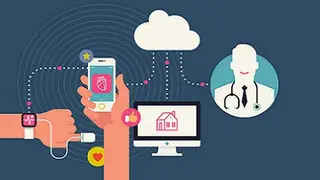
Remote care programs collect continuous signals such as home blood pressure readings, hospital admission, discharge, and transfer notices, and patient-reported changes between visits. If these events only wait for the next scheduled call or review, time-sensitive information may be missed. The article argues that effective programs need parallel workflows: one for routine planned contacts and another that assigns clear responsibility for responding to new patient events.
CMS explains that remote monitoring depends on patients collecting health measurements through connected devices, while clinicians use the transmitted information to manage their conditions. That makes review and response part of the program’s core operation, not an optional extra after data collection.
CMS also mandates that some hospitals transmit electronic notices when patients are admitted, discharged, or transferred to receiving providers. AHRQ describes care coordination as involving clear ownership, communication, movement between settings, oversight, follow-up, and adapting to changing patient needs, with data and duties often moving together.
If remote care programs pair scheduled outreach with clear event-response duties, patients—especially those managing chronic conditions or transitioning after hospital care—could receive faster follow-up. Clinicians and care teams may face fewer missed signals, though poorly designed alerts could increase workload. Families and caregivers might benefit from more coordinated communication, while health systems could see operational gains if accountability is visible.