The chemical that stopped fishmeal fires and its food-safety fallout
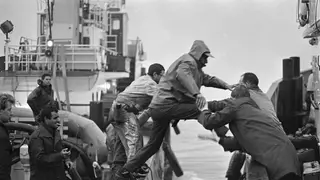
Fishmeal, a dried fish powder used in feed, was prone to spontaneous combustion and caused numerous ship and plant fires from the 1950s through the 1970s. In 1967, Cargill introduced ethoxyquin as a treatment to prevent those fires, and reported fire incidents fell sharply by the following decade. U.S. regulators later required the additive for fishmeal shipments, though the story notes it created a carcinogenic risk downstream in modern food systems.
Fishmeal, made by drying and crushing fish, can heat and ignite as it decomposes and reacts with oxygen. Historical reporting linked it to at least 90 fires in ships and facilities between the 1950s and 1970s. Cargill’s 1967 ethoxyquin launch followed earlier uses on rubber, fruit, and alfalfa.
After adoption, annual ship fires reported by Liverpool underwriters fell from about 16 to five by the 1970s. U.S. Coast Guard required treatment in 1976; a U.N. maritime body recommended it in 1979. Later studies raised carcinogenicity and mutation concerns, prompting EU suspension in 2017 and bans in U.K./EEA, while some nations still allow limited feed use.
Consumers of farmed seafood may face uncertainty about long-term exposure to feed additives, while aquaculture producers and feed suppliers could confront stricter testing, trade limits, or reformulation costs. Port and shipping workers might benefit from continued fire-prevention measures, yet regulators may need to weigh those safety gains against possible carcinogenic risks. The story could also shape public trust in food-safety oversight, especially where rules differ across the U.S., Europe, and Asia.