What Helps Centenarians Keep Wanting to Live
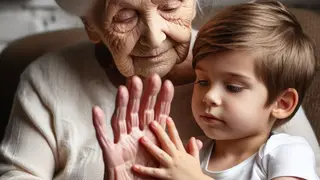
A study of 121 centenarians examined what shapes their desire to keep living and their satisfaction in advanced age. Willingness to live longer was linked to good health, a positive view of life, having a confidant, and less pain, while loneliness and loss of meaning were common reasons for reluctance. Many participants also described their remaining time as outside their control and connected it to religious faith.
A study of 121 centenarians explored attitudes and life satisfaction in extreme old age. About 31.4 percent wanted to keep living, roughly 30.6 percent did not, and 38 percent held no clear view. Reluctance often involved feeling useless, losing meaning, annoyance, loneliness, or disconnection.
Willingness to continue living was tied to good health, valuing life positively, having a confidant, and less frequent pain. Many participants mentioned God, including those without a clear answer, often saying their remaining time was not theirs to decide. Those without a clear answer reported satisfaction close to the willing group. Religion and spirituality appeared important for meaning and coping.
Findings may inform how families, caregivers, and communities think about very old age, suggesting social connection, pain relief, and meaning may shape whether centenarians wish to continue living. For an aging population, these insights could influence elder-care priorities and conversations about autonomy, faith, and quality of life. They may also help loved ones recognize loneliness or loss of purpose as important concerns, though individual experiences will vary.