Plague-era farm abandonment linked to biodiversity loss, researchers say
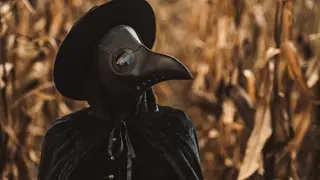
New research indicates that biodiversity declined when Europeans abandoned farmland during the Black Death. The study connects this shift to changes in farming practices after the pandemic killed about one-third of Europe's population. Its findings may offer lessons for increasing species diversity in modern agriculture.
The research examines the Black Death, a pandemic that killed roughly one-third of Europe's population. As Europeans left farmland, species diversity reportedly fell. The study links that decline to shifts in farming practices after the pandemic. It also suggests the findings might help modern agriculture increase species diversity. Because the available report offers limited detail, the work sits within broader questions about how human land use and historical events shape ecosystems.
Farmers, land managers, conservationists, and policymakers may consider these historical findings when thinking about modern agriculture. If reduced farming activity can affect biodiversity, then choices about land use and agricultural practices could have ecological consequences. The study may encourage researchers and farming communities to examine how human actions shape species diversity, though its historical focus means direct lessons for today remain uncertain.