Red-meat sugar tied to higher type 2 diabetes risk in large study
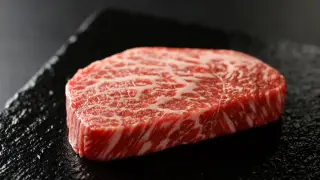
An observational analysis of nearly 90,000 adults found that those with the highest consumption of Neu5Gc, a sugar occurring naturally in beef and lamb, had a 63% greater risk of type 2 diabetes. The link held after adjustment for exercise, diet, smoking, and health conditions, though it weakened when body mass index was included. The researchers suggest immune activation and chronic inflammation may help explain the connection.
The molecule Neu5Gc is made by most mammals, but people cannot synthesize it because of an old mutation in CMAH. It still enters the body via beef, lamb, and smaller amounts in dairy. Once absorbed, it can be taken into human tissues, where the immune system may treat it as foreign and produce antibodies.
That sustained immune reaction, called xenosialitis, has already been tied to cardiovascular disease and cancer. In this French NutriNet-Santé cohort, higher meat-derived Neu5Gc intake tracked with greater type 2 diabetes risk, though the work was observational and reported as early-stage results.
If confirmed, this link could sharpen dietary guidance for people at risk of type 2 diabetes, especially frequent red-meat eaters. It may also encourage food producers and researchers to examine Neu5Gc content and inflammation pathways. Because the study is observational, it cannot prove cause and effect, so one nutrient may not be the sole explanation for diabetes risk. Public health messaging may need to balance red meat’s nutritional role with uncertainty.