Ice Age campsite in Alaska shows long-term hunter occupation
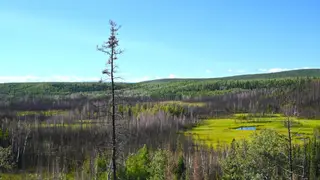
Archaeologists have identified a roughly 13,800-year-old camp on a ridge above Alaska’s Tanana River. The site contains evidence that Ice Age hunters cooked food, made tools, and stayed for extended periods. It adds detail to the picture of early human life in Beringia.
The Alaska discovery fits into the wider archaeological study of Beringia during the last Ice Age. At about 13,800 years old, the ridge camp above the Tanana River provides evidence that Ice Age hunters prepared food, made tools, and occupied the site for extended periods. Together, these traces suggest the location was not merely a brief stopping point. The find may help researchers ask more precise questions about how early northern groups organized their lives, though the details available here remain limited.
This discovery may strengthen public interest in Ice Age archaeology and the early human history of Alaska and Beringia. Museums, educators, and local communities could use the campsite to discuss ancient toolmaking, cooking, and long-term settlement. It may also shape how researchers and heritage managers prioritize similar sites, though its wider social effect will depend on how the evidence is interpreted and shared.