Pacific connectivity poses distinct challenges for Army networks
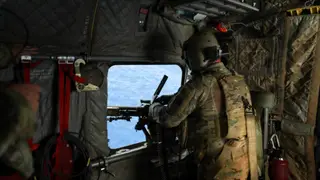
The U.S. Army is working to overcome serious connectivity obstacles in the Pacific, where long distances, limited infrastructure, and enemy interference complicate reliable networking. A Leidos defense technology executive said the service must protect key nodes across multiple domains to sustain deterrence, power projection, logistics, and combat operations. The piece also stresses that land operations remain essential even though the region is largely maritime.
Leidos' Doug Jones frames the problem through three lenses: a high-end conflict blending advanced weapons with mass; competition across space, cyber, air, sea and land; and an adversary built specifically to counter how the U.S. projects power. Securing critical nodes, he said, lets the Army project power across those domains.
Eric Moore, also of Leidos, contrasted the Pacific with other theaters, where planners can lean on relatively stable fiber, data centers and commercial links. In the Pacific, he said, the Army must depend on deployable, reconstitutable assets and the region's land masses, and prepare for extended stretches with limited or no connectivity.
Reliable Pacific networking could shape more than military outcomes. If connectivity gaps persist, service members and the logistics chains supporting them may face greater risk, while island communities and regional partners hosting infrastructure could see their own communications and economic links affected. Improved deployable networks might also influence how quickly humanitarian response and disaster relief can be coordinated after storms, though the article offers no specifics on such missions.