Should F1 Games Simulate AI-Controlled Racing?
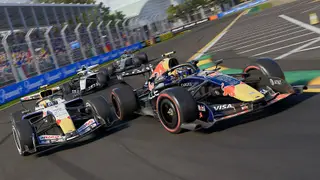
Formula One's 2026 rule changes brought AI-controlled power deployment into the sport, and software problems have caused incidents such as cars losing throttle in wet Sepang and Valtteri Bottas crashing at Baku. The article considers whether the next F1 game should simulate this autonomous element or preserve traditional racing. Codemasters has long balanced simulation details with accessible arcade racing.
Codemasters has held the official F1 license since 2009, positioning its games between hardcore sims like iRacing and more accessible arcade racers. The 2026 regulations add machine-learning systems that manage hybrid power deployment, a change that can be hard to notice until it malfunctions.
At wet Sepang, a software issue left all 22 cars crawling at about 20 mph on the warm-up lap, forcing teams to update software; Hamilton needed an engine restart. At Baku, Bottas crashed after the energy system confused braking and harvesting. Super-clipping can also make cars coast early, while Norris once overtook Hamilton unintentionally when battery deployment triggered.
If future F1 games simulate AI-managed deployment, players may find races less predictable and less dependent on pure driving input. That could frustrate sim-racing purists, yet it might also help fans understand how automation now shapes real races. Codemasters’ approach could influence esports balance, casual accessibility, and public perceptions of autonomous systems in sport. Developers, competitive players, and broadcast audiences may all feel these effects, though the scale remains uncertain.