Sponsored: Facility drone defense requires layered, adaptive security approach
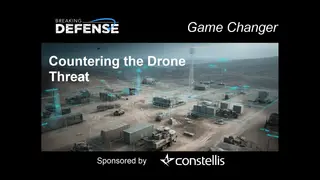
A sponsored Breaking Defense article argues that defending facilities against drone threats requires a layered strategy that can quickly identify, assess, and respond to attacks. It says traditional security approaches must adapt, relying on artificial intelligence for real-time data analysis, better communications, and tools that give personnel fuller situational awareness. The piece is promotional content presented by Constellis rather than a news report.
This sponsored Breaking Defense item, presented by Constellis, is promotional rather than independent reporting. It centers on protecting facilities, assets, and people from drone threats through a layered, adaptable security model. The material highlights AI-supported real-time data gathering and analysis, communications infrastructure, and tools that help personnel see the zones they oversee. It also lists related topics such as AI, cybersecurity, drones, networks, and technology, and links to another Breaking Defense story on unmanned vessels.
If facilities adopt these layered, AI-assisted defenses, security teams, site operators, nearby communities, and defense contractors could be affected. Improved detection and faster response may reduce risks from hostile drones, while automated monitoring could raise concerns about privacy, false alarms, or escalation. Because the article is sponsored, it may also influence procurement conversations and vendor marketing more than independent reporting would. Ultimately, its societal effect may depend on how such tools are governed and deployed.