How to Stop a Small Error From Becoming a Major Problem
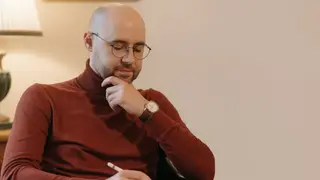
The article explains that small mistakes often grow into larger ones when people cannot admit them. It describes how the sunk cost fallacy and related biases keep individuals committed to poor decisions, including moral ones. It recommends cognitive flexibility and treating each moment as a new decision point so people can change course.
The piece, reviewed by Davia Sills and dated October 19, 2026, explores how choices made after an error can matter more than the error. It presents cognitive flexibility as a way to seek alternatives when a course stops working.
It describes two mental traps: letting past investments or statements dictate next steps, and persisting with a failing action, sometimes to shield self-image. Either can transform minor missteps, including moral ones, into larger difficulties.
This story may help readers recognize how defensiveness can magnify ordinary mistakes. People in workplaces, friendships, families, and public roles could benefit from pausing and reconsidering rather than doubling down. If applied, its advice may reduce harm from small errors and support more honest repair, though individual outcomes will vary.