ETF Inflows Return but Bitcoin Faces Macro Headwinds
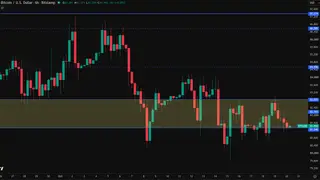
Spot Bitcoin ETFs logged $526.7 million of net inflows, their strongest day in almost a month, with BlackRock's IBIT accounting for more than the total. Bitcoin nevertheless slipped to about $81,384 as a selloff in Asian chipmakers and a jump in oil prices weighed on markets. BlackRock filed for a new options-based Bitcoin ETF, and JPMorgan issued a long-term forecast of 10% annual returns, while analysts flagged thin spot demand and $80,000 as a key level.
On Monday, U.S. spot Bitcoin ETFs attracted $526.7 million net, the largest daily intake in almost a month. BlackRock’s IBIT alone took $665.2 million, outweighing the group total, while Fidelity’s FBTC and Grayscale’s GBTC saw $83.6 million and $54.9 million leave. The haul exceeded the previous week’s $228.4 million of redemptions, though October remained slightly negative.
BlackRock also filed for PBIT, an options-based fund tied to IBIT that would seek capped upside and generally limit each tranche’s starting loss to about 10% before fees, and would not own Bitcoin itself. Meanwhile, Bitcoin traded near $81,384 as Asian chip shares fell and oil rose; JPMorgan projected a 10% annual base case, while analysts watched $80,000 amid thin spot demand.
The renewed ETF demand and BlackRock’s proposed buffer product may widen Bitcoin exposure to cautious advisers and their clients, potentially making crypto more accessible while tying more household portfolios to a volatile asset. Thin spot demand and macro shocks could amplify price swings, affecting retail holders and businesses that accept crypto. The $80,000 level may become a sentiment marker, shaping how savers and institutions judge risk. This could influence confidence in crypto-linked products, though outcomes remain uncertain.