UARX traces OSSIE-D communications outage to ground-station setup
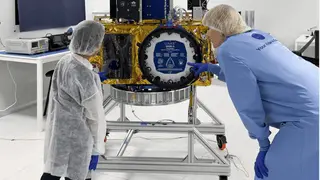
UARX Space is resolving issues from the first flight of its OSSIE-D orbital transfer vehicle, which launched Oct. 1 on SpaceX’s Transporter-18. A ground-station interface misconfiguration caused a communications outage, and the company later confirmed that its backup deployment commands were received and payload releases executed. Some payloads remain aboard for later release, and UARX is also testing a docking and fluid-transfer port for future refueling work.
UARX Space, a Spanish startup, flew OSSIE-D, a 200-kilogram-class orbital transfer vehicle, on SpaceX’s Transporter-18 mission. Shortly after the October 1 launch, the team lost contact and sent a contingency instruction two days later so automated fault handling could release customer payloads without ground-station input. The outage was traced to a ground-segment interface setting, which was fixed; subsequent checks reportedly showed normal operation.
Later telemetry indicated the contingency command arrived and the commanded releases occurred, with at least ten PocketQubes deployed. Some payloads remain aboard for future release, and UARX is evaluating Dawn Aerospace’s docking and fluid-transfer port for refueling applications. AMSAT-Deutschland reported two of its three ERMINAZ-2 PocketQubes operating, while the third had not been heard.
The incident may matter most to small-satellite operators and ride-share customers, who could benefit from clearer ground-segment testing and autonomous deployment safeguards. If such fixes become routine, lower-cost orbital transfer vehicles might make access to precise orbits more dependable for universities, nonprofits and startups. The outcome could also shape confidence in hosted payload arrangements and future refueling demonstrations, though the limited first-flight data means broader effects remain uncertain.