Saudi nuclear deal needs safeguards that survive political change, experts warn
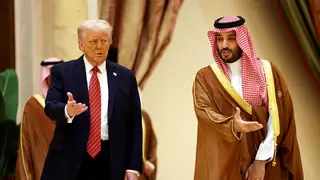
Two experts warn U.S. lawmakers that a Saudi nuclear cooperation agreement must include safeguards robust enough to endure changes in Riyadh’s leadership or strategy. The July 2026 pact would permit a study of uranium enrichment on Saudi soil under a restricted-access arrangement, but it leaves questions about long-term controls. The warning comes as Saudi Arabia faces missile and drone attacks that strain its security and economic plans.
The July 2026 U.S.-Saudi pact would allow a two-year commercial enrichment study on Saudi territory, starting with uranium at 5 percent and requiring further review before any 20 percent level. Reports describe an American-run facility using a “black box” setup to keep centrifuge technology from Saudi personnel. The deal reportedly stops short of mandating the IAEA Additional Protocol, which would permit more intrusive inspections outside declared sites.
Saudi security planning is under pressure from repeated missile and drone strikes on airfields, the Abqaiq oil-processing hub and Riyadh’s airport. The East-West pipeline was shut down, and Houthi gains along the Red Sea threaten Bab el-Mandeb. These attacks test the crown prince’s promise that modernization would bring greater safety and prosperity.
The proposed nuclear cooperation could affect Saudi citizens and foreign workers living near planned facilities, as well as investors and businesses weighing the Kingdom’s stability. If safeguards are seen as weak or tied to one leader, public confidence in safety and long-term oversight may suffer. Regional communities could also face heightened proliferation concerns, while U.S. lawmakers may face pressure to scrutinize the pact’s durability.