USDA Proposes Stronger Security for SNAP Cards
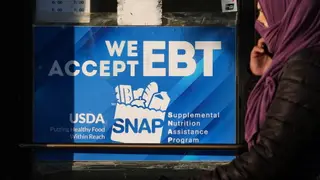
The Agriculture Department has previewed a rule requiring SNAP benefit cards to add security features that block skimming and cloning. The current cards lack basic protections, allowing thieves to copy card data and drain recipients’ benefits. The proposal follows congressional direction and the administration’s broader anti-fraud push.
The proposed rule would give states two years to issue SNAP cards with chip and tap-to-pay features, at an estimated $283 million cost, while retailers would need compatible terminals. Congress had directed USDA to publish such a rule by late 2022.
USDA’s watchdog projected $555 million in stolen benefits from fall 2024 through October 2026. Separately, the Secret Service said it had checked more than 8,600 businesses and conducted 56,260 inspections to find skimming devices.
The change could most directly affect low-income households relying on SNAP, who may face fewer losses from copied cards and fewer empty-balance surprises. States and retailers may bear transition costs and operational burdens, potentially producing uneven rollout. If implemented smoothly, the rule may strengthen confidence in benefit delivery; delays or gaps could leave some recipients exposed during the two-year update period.