Michigan River Restoration Projects Aim for Environmental and Economic Gains
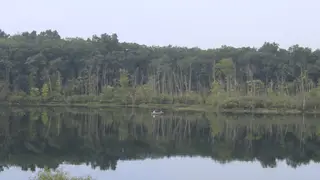
Michigan communities are directing hundreds of millions of dollars toward river restoration, with projects planned or underway in Battle Creek, Grand Rapids, and Flint. The state also announced $89 million for cleaning up the Detroit, Kalamazoo, and other rivers. Backers expect cleaner waterways to draw paddlers, anglers, and tourists while improving habitat, though the Lower Rouge River still has room for improvement.
Michigan’s river work spans several cities and approaches. Battle Creek wants to return a concrete-covered stretch of the Kalamazoo River to a more natural channel, while Grand Rapids is reintroducing rapids downtown and Flint is developing a state park along its riverfront. Separately, the state has committed $89 million to cleanup efforts on the Detroit, Kalamazoo, and other waterways.
The Lower Rouge illustrates both progress and limits. Paddlers recently traveled past factories, a docked freighter, and industrial stockpiles. A watershed ecologist with Friends of the Rouge said the river was once so polluted it burned, and while conditions are now suitable for kayaking, much work remains.
Cleaner rivers and new access could benefit residents and visitors who paddle, fish, or gather along waterfronts, and may support nearby businesses and tourism. Improved habitat could help native plants and animals. At the same time, projects may affect communities differently, and the Lower Rouge example suggests that visible progress can coexist with continuing water-quality concerns.