Albanian Student Protests Challenge Rama Over Graft
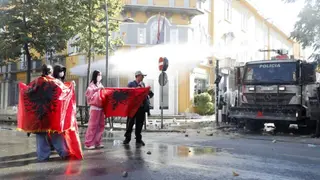
Student-led demonstrations in Albania have expanded over the past week and escalated into confrontations with police. Prime Minister Edi Rama said the protests had become an organized effort to destabilize the country and slow EU integration, and he offered talks. One protester rejected his invitation as insincere, saying it was a response to international pressure.
Over the past week, demonstrations led by students in Albania have grown and at times led to clashes with police. On Tuesday, Prime Minister Edi Rama met education leaders and described the unrest as more than spontaneous discontent, alleging an organized effort to weaken the state and slow EU accession. He said new criminal and administrative penalties would follow.
Rama later shared a Facebook video of a sign inviting dialogue and 12 red chairs outside his office, presented as an offer to talk. Student Jesmina Sengla rejected the gesture as insincere, saying it followed international pressure and was intended to project openness to change.
The standoff could affect students and education staff most directly, as campus life and institutional trust may be disrupted by protests and threatened penalties. It may also influence how broader Albanian society views accountability and EU integration, with confrontations and sanctions potentially deepening polarization. If talks are seen as credible, they could reduce tensions; if not, public frustration may persist. International observers may watch how the government balances security responses with dialogue.