Michigan Senate race centers on GOP claims about El-Sayed’s past
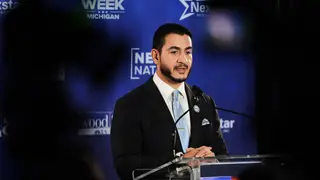
Senate Republicans are spending heavily to highlight alleged links between Michigan Democratic Senate candidate Abdul El-Sayed and the Muslim Brotherhood as they try to boost former Rep. Mike Rogers. El-Sayed denies any ties, while Republicans point to a 2011 essay and a 2012 letter and old social media posts from his half-sister. The dispute has become a major late issue in the Michigan Senate race.
Republicans seeking to bolster Mike Rogers are funding a late push that casts Abdul El-Sayed as sympathetic to the Muslim Brotherhood. El-Sayed rejects the charge. The evidence cited includes his 2011 HuffPost piece on Egypt after Hosni Mubarak’s fall, a 2012 letter after Mohamed Morsi took power, and older social media remarks by his half-sister about relatives’ involvement with the group.
El-Sayed’s parents came from Egypt and separated when he was three; he grew up near Detroit with his father and stepmother. At the candidates’ second debate, Rogers asked whether El-Sayed was loyal to the United States or to terrorist groups abroad. In the first, El-Sayed turned aside an attack focused on his biological mother’s politics.
The dispute could heighten scrutiny of candidates’ religious and family backgrounds, potentially affecting how Muslim and Jewish voters in Michigan view both campaigns. It may also intensify distrust around accusations of extremism, which could mobilize supporters or alienate swing voters. Because the race is competitive, such late claims may influence turnout and persuasion, though their actual electoral effect remains uncertain.