Gulf of Mexico marine populations still depressed after Deepwater Horizon
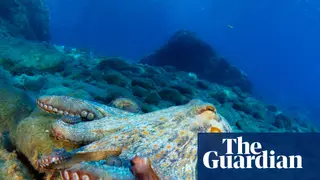
A new study says marine life in the Gulf of Mexico fell sharply after the 2010 Deepwater Horizon oil spill and has not fully bounced back. Researchers recorded declines of roughly 60% among fish, crustaceans and cephalopods in the years following the disaster. The spill released about 134 million gallons of oil and remains the largest marine oil spill in history.
The 2010 blowout occurred when an offshore drilling rig exploded roughly 50 miles from Louisiana, killing 11 workers and injuring 17. The resulting release, estimated at 134 million gallons, is described as the biggest marine oil spill on record. A PNAS study combined sonar, trawling at multiple depths and genetic analysis to track ecological effects.
Between 2011 and 2015, the research recorded steep drops: fish 63.5%, shrimp-like macrocrustaceans 62% and squid/octopus relatives 59.7%. Krill fell 72.8%, bristlemouths 69% and lanternfishes 62.9%. A later survey found many populations had not made a sustainable recovery. Dispersants also pushed toxic compounds deeper, and elevated contaminants were found in deep-sea fish eggs and cephalopod tissue six years later.
The findings could heighten concern among Gulf fishing communities and seafood businesses, whose livelihoods may depend on species that showed prolonged declines. Consumers and coastal residents might face greater uncertainty about seafood availability and ecosystem health, while scientists may focus on long-term monitoring and restoration. Because the study links the spill to lasting ecological and genetic effects, it may also inform how future oil-spill responses weigh dispersant use and deep-water impacts. These are potential consequences, not predetermined outcomes.