How researchers are applying machine learning to climate questions
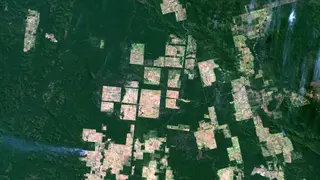
Carbon Brief interviewed ten specialists about the growing role of artificial intelligence in climate research. They described uses ranging from weather prediction and satellite-image analysis to studying energy-grid changes, while also flagging risks such as trusting unverified outputs, high energy demand and widening research inequalities. The piece organizes their responses around forecasting, policy, future applications and misconceptions.
Carbon Brief gathered views from ten specialists. They highlighted uses in forecasting, satellite imagery and grid analysis, and risks including unverified outputs, energy demand and unequal research capacity.
One expert noted AI weather models can learn from historical observations and produce two-week forecasts with less computation than equation-based systems. But such models depend on abundant observations and short evaluation windows; climate projections extend beyond observed conditions. A blended strategy—using AI to speed existing physical models—could preserve scientific understanding while making risk information cheaper.
These developments could affect weather services, researchers, grid operators and communities relying on climate-risk information. Faster, cheaper forecasts may broaden access, while dependence on unverified outputs or high computing demands may concentrate benefits among well-resourced institutions. If inequalities widen, lower-capacity researchers and regions could be less able to use AI tools, potentially shaping whose climate risks are understood and addressed.