Cross-Platform Development Moves Toward Unified App Experiences
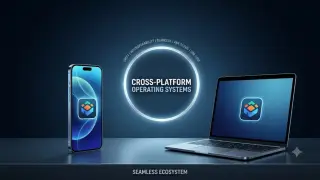
Developers are increasingly using shared codebases to build software for Android, iOS, desktop, and web, reducing duplicated engineering work. Frameworks such as Flutter, React Native, and Kotlin Multiplatform support this approach, while PWAs, cloud services, and AI coding tools broaden distribution options. Native development remains important for apps that need high performance, deep hardware access, or platform-specific features.
Historically, desktop, mobile, and web software evolved as separate ecosystems, often requiring distinct engineering teams and rebuilt applications for each platform. That fragmentation raised costs for maintenance, testing, security updates, and feature releases, with smaller firms especially burdened and larger firms facing version delays or inconsistencies.
By 2026, shared-code approaches aim to let one foundation reach several ecosystems at once. Flutter, React Native, and Kotlin Multiplatform support this, while PWAs, cloud services, and AI coding tools widen distribution. Native work still matters where performance, hardware access, or platform-specific experiences are essential.
The shift could affect developers and smaller software firms most directly, potentially lowering duplicated engineering effort and making it easier to support users across phones, laptops, tablets, TVs, cars, and browsers. Users may see more consistent features and updates across devices, though reliance on shared frameworks could create new dependencies. Native-focused teams and apps needing deep hardware access may remain less affected, while cloud and AI tools could widen who can build and distribute software.