Court lets third-country deportation policy proceed amid human-rights objections
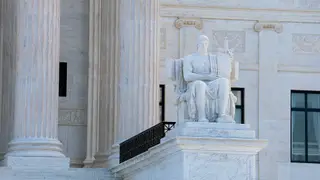
The Supreme Court stayed a lower-court ruling in Department of Homeland Security v. D.V.D., allowing the government to continue a policy that can send undocumented people to third countries without individualized fear hearings in some cases. The article contends that the order fits the justices’ pattern of acting quickly on emergency requests and giving less weight to international human-rights protections. The case, now set for full review, involves claims that removed individuals could face torture or persecution.
The dispute concerns a February 2025 Homeland Security directive that permits rapid removal to a third nation when the government receives general diplomatic assurances. For destinations not covered by those assurances, individuals would have one day to show a likely risk of persecution or torture; otherwise, immigration officials must consider another country or reconsider the case.
The Supreme Court's stay lets the policy operate while the justices review the merits. The certified class includes people such as a Cuban national with serious mental illness, a gay Guatemalan man who reports past threats and violence, and a Honduran woman who fears her abusive husband. They contend federal statutes forbid removal to a place where a person’s safety would be endangered.
The order could affect noncitizens facing removal to countries where they fear harm, along with their families and receiving communities. Because the policy may proceed during review, some individuals could face faster removal with less opportunity to present individualized safety claims. The full merits review may clarify how much process is required, potentially shaping future emergency-docket practice and the treatment of international human-rights claims in U.S. immigration cases.