Sjögren's Drug Ianalumab Faces Uncertain Approval Path After Mixed Trial Results
Two phase III trials of ianalumab in Sjögren's disease met their primary endpoint, but published results showed little difference from placebo on important secondary measures. The mixed findings have raised questions about whether the data can support approval, and the drug's developer has begun another phase III study. An editorial also characterized the evidence cautiously.
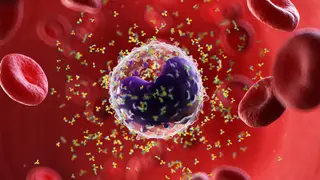
Sjögren’s disease lacks approved targeted treatments. Research linking B cells to the condition led to ianalumab, which blocks B-cell activating factor. The parallel NEPTUNUS-1 and NEPTUNUS-2 trials enrolled 779 patients and used ESSDAI change as the primary measure.
Both studies met that endpoint, but the improvement was modest. Secondary outcomes such as dryness and salivation did not clearly separate drug from placebo, and responder rates showed little meaningful difference. Novartis has started THALASSA, a new phase III trial in patients with high symptom burden, while its regulatory filing plans remain unclear.
For people with Sjögren’s disease, the mixed results could create both hope and uncertainty: a first targeted therapy may eventually arrive, but its meaningful benefit remains unclear. Clinicians and regulators may need to weigh modest disease-activity changes against limited symptom improvement. Payers could scrutinize cost and value if approval occurs, while the ongoing trial may delay access and leave patients relying on supportive care in the meantime.