FCC Denies Authorization to Two Devices Using Huawei's HiSilicon Chip
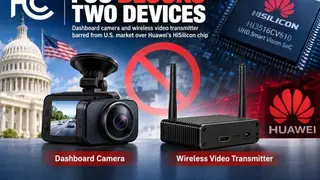
The FCC refused equipment authorization for a dashboard camera and a wireless video transmitter after finding both contained a HiSilicon chip made by Huawei's subsidiary. The decision is the first use of rules that took effect on October 13, 2026, barring devices with certain restricted smart components. The agency did not conclude that either device sent data to Huawei or carried out unauthorized surveillance.
The FCC’s October 2026 action was the first enforcement of expanded equipment-authorization limits that began October 13. Those rules reach beyond finished products from barred companies to devices containing restricted intelligent parts from Covered List firms.
Both rejected products—a vehicle dashcam and a wireless video transmitter—contained a HiSilicon part. The agency pointed to the Hi3516CV610 smart-vision processor, which is marketed for surveillance and includes face-detection functions. The FCC did not find that either device sent data to Huawei or conducted unauthorized monitoring, and it did not say whether both used that exact chip.
The decision may affect device makers, importers, and consumers of connected cameras and video gear by adding compliance checks for component sourcing. Buyers could see fewer product choices or delays as manufacturers verify chips. Because the FCC did not allege data transmission or surveillance, the immediate public-safety impact remains uncertain; the broader signal is that component-level restrictions may shape how networked video equipment is designed and sold.