What Narcissistic Grandiosity Looks Like in Monuments and Portraits
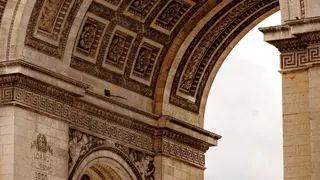
The article explores how grandiosity, a key narcissism trait, shows up in what powerful people build and display, from Roman monuments to corporate annual reports. It notes that narcissism predicts who becomes a leader, though not how well they lead, and that people can read narcissistic cues from photographs with modest accuracy.
Augustus’s building program linked his identity to Rome’s civic grandeur: the Senate commissioned the Ara Pacis in 13 BC, and it stood near his mausoleum. Mussolini later moved and rebuilt that altar in 1938 beside the tomb, using the arrangement to invoke national pride.
Research cited in the article connects narcissism to leadership emergence through extraversion, not to superior leadership; narcissistic leaders often judge themselves more effective than colleagues do. Observers can detect narcissistic cues in photographs with modest accuracy, especially cues suggesting visible effort.
This story may affect how people interpret public monuments, executive imagery, and leaders’ self-presentation. Citizens and employees could become more attentive to displays of self-importance, while leaders may face greater scrutiny of the messages their buildings and portraits convey. Because photo-based judgments are only modestly accurate, readers may also be encouraged to avoid overconfidence in assessing narcissism from appearances.