Tesla aims to sell Cybercabs to fleet operators this year
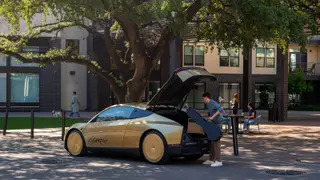
Tesla intends to begin selling Cybercabs to fleet customers before the end of 2026, starting on a small scale. The company is already producing the vehicles in Texas for its own robotaxi service, and most are expected to remain Tesla-owned. Unsupervised Full Self-Driving for customer vehicles may be enabled around the second quarter of 2027, while regulators have opened a probe.
Tesla engineering vice president Lars Moravy said on the company’s third-quarter earnings call that it hopes to deliver Cybercabs to buyers before 2026 ends. Production is already underway at its Texas Gigafactory, though those units are intended for Tesla’s own robotaxi operation. Any customer sales would begin modestly while Tesla studies how autonomous fleets are owned and managed outside the company.
The vehicle lacks steering wheel and pedals, so it depends entirely on Tesla’s self-driving software. Tesla began Austin robotaxi rides with it in September 2026 and is soliciting fleet operators. Unsupervised self-driving for some early customer vehicles may arrive around Q2 2027. NHTSA is examining Tesla’s self-certification that the Cybercab meets federal safety standards.
If Tesla sells Cybercabs to fleet operators, urban mobility could shift toward company-managed autonomous fleets, affecting riders who may gain new ride options and workers whose driving or fleet jobs may change. Regulators and safety advocates may focus on oversight of vehicles without manual controls. Public acceptance could depend on demonstrated safety and clear accountability when self-driving systems fail. Smaller operators may face high costs or limited access, while Tesla could strengthen its control over robotaxi infrastructure.