Memory price surge drives sharp decline in PC shipments
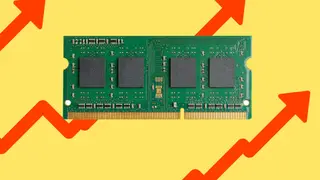
Counterpoint Research reports that global PC shipments fell 21 percent year over year in the third quarter of 2026 after months of price increases. Higher costs for RAM, SSDs, and chips have pushed up device prices and led some vendors to focus on configurations that can absorb component inflation. Smartphone shipments also reached a 14-year low in the same quarter.
Counterpoint Research attributes the 21 percent year-over-year drop in Q3 2026 PC shipments to sustained increases in memory, storage, and processor costs. The decline matches findings from IDC and Omdia, and smartphone shipments also fell to a 14-year low in the same period.
Before this, PC shipments had risen for more than two years through Q2 2026. Vendors are now emphasizing models that can tolerate higher component costs, reducing low-priced choices; some are reintroducing older parts such as DDR4 memory and 4GB graphics cards. Q3 2025’s Windows 10 deadline purchases and tariff-related inventory shifts also magnified the annual comparison.
The squeeze could hit budget-conscious households, students, and small organizations that rely on affordable PCs, potentially delaying upgrades or repairs. Vendors focusing on higher-cost configurations may widen the gap between premium and entry-level devices, while older components could extend product lifespans but also limit performance. Smartphone weakness may reinforce longer replacement cycles, affecting retailers and repair services. These are possible pressures, not certain outcomes.