EU proposes fresh sanctions on Russian oil and finance after Trump diesel imports
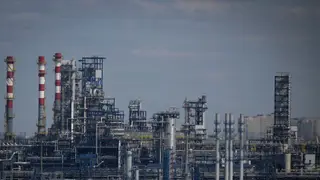
The EU's diplomatic service presented draft sanctions to EU ambassadors that would add 117 listings targeting Russian financial, energy, and shadow fleet sectors. The proposal includes 31 listings tied to Russian oil processing, refining, and export capacity, plus banks, LNG processors, a steel company, and entities in third countries. It comes shortly after U.S. President Donald Trump agreed to import Russian diesel, a move EU leaders criticized.
The draft package, shown to EU ambassadors on Oct. 21, contains 117 proposed designations: 12 people and 105 organizations. If approved, listed parties would be barred from EU transactions and have bloc-held assets frozen; third-country firms might avoid them to protect EU ties.
Thirty-one proposals focus on Russian oil processing, refining and export sites from St. Petersburg to Sakhalin. The package also covers 52 banks and financial bodies, two LNG processors, a steel firm in occupied Donetsk, and entities in the UAE, Oman, Singapore, Hong Kong and the Seychelles. It adds 15 military-industrial companies and drops one third-country entity.
If adopted, the measures could raise compliance costs for European banks and energy traders, while third-country firms may curtail Russian-linked business to protect EU market access. Consumers could see indirect effects through energy and shipping markets, though the scale is uncertain. Employees of targeted refineries, financial institutions and e-commerce logistics may face disruption, and Russian households could encounter higher prices or reduced services if sanctions tighten.