High court lets New Hampshire enforce photo-ID rule excluding student cards
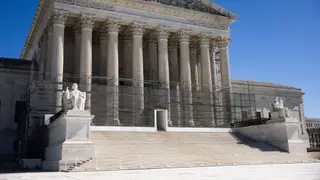
The Supreme Court on Thursday lifted a lower-court pause, letting New Hampshire enforce a state law that does not accept student identification cards as the photo ID needed to vote. The unsigned order relied on the idea that federal courts should generally avoid changing election procedures shortly before voting. Justice Ketanji Brown Jackson dissented, writing that the district judge’s order was aimed at misleading information rather than rewriting state law.
New Hampshire's HB 323 took effect in June after lawmakers approved it in April. The Coalition for Open Democracy sued, saying the measure made voting harder and targeted younger residents. A federal judge declined to block the student-ID exclusion itself but stopped officials from enforcing a secretary of state directive that discouraged election workers from accepting student IDs through another identity-verification route.
The First Circuit refused to pause that ruling, prompting Secretary of State David Scanlan to seek Supreme Court intervention. The justices' unsigned order cited the idea that federal courts should generally avoid changing election procedures close to voting. Justice Jackson alone dissented, saying the lower court's narrow injunction addressed misleading information rather than rewriting state law.
The ruling could affect New Hampshire voters who rely on student identification, especially younger residents, by making it harder for some to use campus cards at the polls. Election officials may face renewed uncertainty about which documents count, while advocacy groups could adjust outreach and legal strategies. More broadly, the decision may signal how courts weigh last-minute changes to voting procedures, potentially influencing similar disputes elsewhere.