Study documents widespread glacier loss across the US west
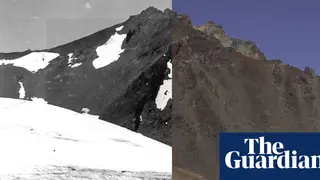
A new study finds that about 300 glaciers in the western US have disappeared since the 1960s, while the region's total glacier area has shrunk by a third. Researchers say rising temperatures driven by fossil fuel burning are accelerating the losses and that most remaining glaciers will shrink drastically.
Researchers combined satellite imagery with aerial photographs to inventory glaciers across six states in the western United States. The work focused on lower-48 glaciers near populated areas rather than Alaska’s larger glaciers.
The study found that smaller, south-facing glaciers at lower elevations lost ice fastest, including sites below 9,000 feet in the Sierra Nevada and below 6,000 feet in the Cascades. Earlier research by the lead author suggests many larger glaciers may persist only in reduced form on the highest peaks by century’s end.
The loss could matter most to communities and industries downstream that rely on seasonal glacier melt for water, including agriculture and ecosystems. As smaller glaciers vanish, summer water supplies may become less reliable, and mountain landscapes could change in ways that affect local recreation and tourism. The study’s focus on glaciers near populated western areas may make these shifts more visible to residents, though the full consequences will depend on local hydrology and future warming.