Lee Chang-dong discusses labor, capital and his Oscar-contending film
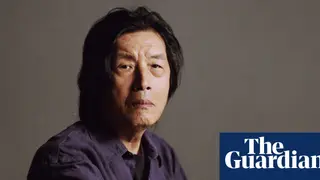
Director Lee Chang-dong speaks about his new film Possible Love, which examines labor, private equity and the aftermath of mass layoffs. The film, which won the grand jury prize at Venice, draws on a historic Korean strike and explores the ethics of telling disenfranchised people's stories.
The project grew from South Korea’s 2009 Ssangyong Motors dispute, when proposed cuts of roughly 37–43% led to a 77-day factory occupation and strike ended by riot police. Lee later set the idea aside, troubled by whether he could responsibly represent workers’ suffering, and he and co-writer Oh Jung-mi explored several drafts before adding a documentary-maker character.
In the finished film, a laid-off metalworker, Ho-seok, and his wife Mi-ok encounter filmmaker Lee Ye-ji and her financier husband Sang-woo at a former colleague’s funeral. Ye-ji’s interest in making a labor documentary, and Ho-seok’s reluctance to participate, frame the story’s questions about observing and depicting hardship.
The film may prompt audiences to reflect on how corporate restructuring and private equity affect workers and communities, especially those facing redundancy and mental-health strain. By foregrounding a filmmaker’s relationship to her subjects, it could also encourage debate about who gets to represent disadvantaged people and whether storytelling can deepen empathy without exploiting suffering. Its Venice prize may widen that conversation beyond arthouse audiences.