Brain-mapping stimulation therapy shows strong PTSD results in early trial
A personalized PTSD therapy that pairs brain-activity mapping with magnetic stimulation has received FDA clearance. In an early trial, participants reportedly had a 52% drop in symptoms and 68% reached remission, though full results are not yet public. The approach is being developed as an alternative for patients who do not respond well to psychotherapy or SSRIs.
PTSD became a formal diagnosis in 1980. Standard care has mainly involved psychotherapy and SSRIs such as sertraline and fluoxetine. A 2020 medication review found modest symptom-score gains and remission no higher than 10.9%, leaving many patients without adequate relief. Lifetime PTSD is estimated at 6% of Americans, with women and veterans more often affected; roughly 7% of veterans are diagnosed yearly.
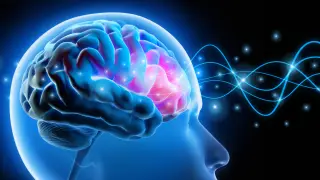
The cleared system, called MeRT, first uses EEG to record electrical brain signals, then guides magnetic pulses delivered by a scalp coil. TMS has already been used for treatment-resistant depression. Wave Neuroscience developed the approach with Texas A&M researchers; the trial’s full findings are not yet public.
If the early results hold, this approach could broaden options for people with PTSD who do not benefit enough from psychotherapy or SSRIs, including veterans and other trauma survivors. It may reduce symptom burden and increase remission for some patients, while giving clinicians another non-drug tool. Real-world impact could depend on access, cost, durability, and whether full trial data confirm the company-reported outcomes.