Kidney Donation Tied to Modest Rise in Pregnancy Blood Pressure Risks
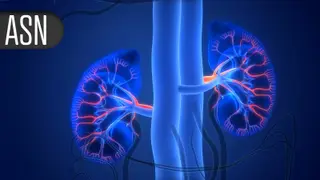
A Canadian matched cohort study found that women who donated a kidney before pregnancy had higher rates of gestational hypertension, preeclampsia, or eclampsia and of small-for-gestational-age births. Most post-donation pregnancies still proceeded without major complications, and severe early outcomes were uncommon. Researchers said donor candidates who may become pregnant should be counseled and receive prenatal care focused on blood pressure.
The analysis drew on administrative health records from three Canadian provinces. It compared 385 singleton pregnancies among 252 prior kidney donors with 1,540 pregnancies among 1,535 matched nondonors, aligning groups on delivery timing, maternal age, parity, income, and interval from cohort entry. Mean maternal age was about 28.
Most hypertensive diagnoses appeared near term; fewer than 2% in either group were first recorded before 34 weeks. Because roughly two-thirds of living donors are women and about three-quarters are of childbearing age, the researchers said counseling and prenatal blood-pressure monitoring matter for those considering donation and later pregnancy.
The findings may affect prospective female kidney donors and their families by adding a discussion point to donation counseling. Clinicians could use the results to flag pregnancies for closer blood-pressure review, potentially improving early detection of hypertensive disorders. Because severe early outcomes were uncommon, the study may reassure many donors while still prompting tailored prenatal care. It could also shape how transplant programs communicate reproductive risks, though absolute differences are modest and individual decisions remain complex.