Justices handle a flurry of emergency requests and new cases
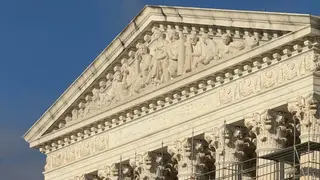
This weekly roundup covers several developments on the Supreme Court’s interim docket, including a refusal to let the Trump administration enforce a new transgender inmate policy. The justices also received a fresh administration request concerning border-wall construction in Big Bend and agreed to hear cases on selective school admissions and home distilling. Separately, they allowed New Hampshire to enforce a law that prohibits using student IDs for voting.
The Court refused the administration’s request to let federal prisons enforce a policy denying transgender inmates gender-transition surgery, hormone therapy, and social accommodations; Thomas and Alito said they would have granted it. The administration then asked the justices to lift a block on border-wall construction in Big Bend, Texas, with responses due Oct. 29.
New Hampshire won permission to enforce its rule against student IDs for voting, over Jackson’s dissent. The justices also agreed to review a Maryland county’s selective magnet-school admissions process and the federal home-distilling ban, while declining review in several cases, including one involving plea deals for alleged 9/11 plotters.
The interim rulings could immediately affect transgender federal inmates, voters in New Hampshire, and communities near Big Bend, while the added cases may shape how selective schools admit students and whether small-scale distilling is legal. Because emergency orders are often provisional, their practical reach may depend on later full review. The decisions may also intensify public attention on how quickly the Court acts in disputes with direct effects on elections, immigration enforcement, and local development.