Calley Means Exits HHS Role as MAHA Allies Press for More Action
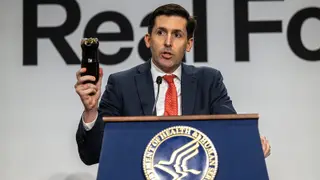
Calley Means, a senior adviser to Health Secretary Robert F. Kennedy Jr. and a prominent MAHA advocate, resigned from the Trump administration. He did not state a reason, and his departure comes as some MAHA leaders express frustration over limited progress on food security and pesticide regulation. Means said he respected Trump and Kennedy and described the movement as still being in its early stages.
Means joined Trump’s second administration as a White House adviser and later worked at HHS. He criticized physician organizations, federal agencies, and government scientists, alleging self-interest. With his sister Casey—a wellness influencer and entrepreneur whose surgeon general nomination failed after vaccine-stance questions—he became known for linking ultraprocessed foods, additives, and pesticides to chronic illness. He also clashed with White House officials worried about alienating the food industry.
Within MAHA, some activists wanted Kennedy to emphasize medical freedom, including rolling back vaccine recommendations and approvals, while Means focused on food. Food reform moved slowly: a promised April definition of ultraprocessed food did not arrive, and an August announcement centered on additive scrutiny with little mention of such foods.
Means’s exit may weaken an internal voice pressing for stricter food-additive and pesticide oversight, potentially affecting consumers who rely on federal nutrition and school-food standards. It could also intensify MAHA pressure on Kennedy and the administration, shaping how quickly food-industry and vaccine-policy debates move. Public-health agencies, food companies, and advocacy groups may all recalibrate, while ordinary families could see delayed or diluted changes in labeling, school meals, and chemical regulation.