Biotech venture aims to create enhanced combat dogs through cloning
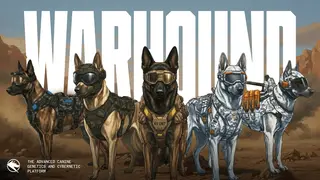
Warhound, a new biotechnology startup founded by Ben Lamm and Palmer Luckey, plans to clone and genetically modify elite military dogs to create larger, more capable animals for combat and policing. The company says it has already stored genetic material from breeds such as Belgian Malinois and shepherds and hopes for first litters in early 2027. Experts note that dog cloning remains inefficient and can endanger surrogate dogs, and they also raise ethical concerns about the project.
Warhound was announced Thursday after more than a year of development and has secured $200 million. Its founders are Ben Lamm of Colossal Biosciences and Palmer Luckey of Anduril Industries. The company has collected genetic material from top military dogs, including Belgian Malinois and shepherds, and aims to clone cells and edit embryos, with first litters expected in early 2027.
Dog cloning has produced animals with useful service traits, but live births are uncommon and surrogate mothers face risks. Planned edits would target hip disease, vision problems, and cancer susceptibility before performance traits. Researchers have edited dogs previously, yet long-term health effects remain uncertain, and complex traits may involve many genes.
If pursued, Warhound’s work could affect military and police units that rely on working dogs, the handlers who train them, and animal-welfare advocates concerned about cloning and surrogacy. It may also influence public debate over genetic engineering and oversight, while investors and other biotech firms could treat it as a test case. Real-world impact would depend on whether the promised animals can be produced safely and whether ethical scrutiny shapes adoption.