Serbian Voters with Disabilities Report Election Pressure
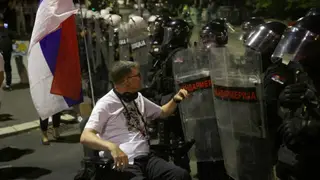
People with disabilities in Serbia and their carers say they face direct and indirect pressure to back the governing party in the upcoming election. Activists describe a climate of fear in which some voters worry their care payments could be cut if they do not comply. The report also notes longstanding concerns about privacy and accessibility at polling stations for disabled voters.
Serbia’s 2022 census counted over 356,000 people with disabilities, about 5.5% of residents aged two and older. Many rely on state welfare, health services and disability associations for equipment, education, training and jobs; 2021 data cited by one group found more than 70% of affected families below the poverty line and only 13% of disabled people employed.
Past monitoring has flagged related risks. A 2023 CRTA report described influence networks in social welfare centres and accounts of assistance being tied to political support, including a case where benefits were withdrawn after backing an opposition party. Observers have also criticised polling-station access and privacy, including the absence of braille ballots for blind and visually impaired voters.
The reported pressure could deepen distrust among disabled voters and carers, who may feel their benefits and support services are conditional on political loyalty. It may discourage some from voting or from seeking help from state-linked associations, while accessibility gaps could further reduce participation. Broader society may also see erosion of confidence in election fairness if vulnerable groups are perceived as exposed to coercion.