EU-linked tanker carrying Russian diesel to U.S. highlights sanctions loophole
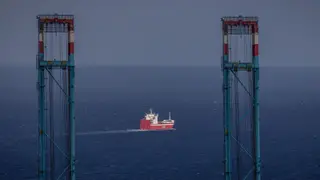
Reports said a Greek-owned, Maltese-flagged tanker left Russia's Primorsk port with 40,000 metric tons of diesel bound for New York after Trump's October purchase deal. EU rules permit EU-flagged or EU-managed vessels to move Russian oil products only when the cargo is sold at or below the G7 price cap, according to a Ukrainian sanctions official and the European Commission. The vessel later changed its destination status to 'for orders.'
The Agioi Fanendes, a Maltese-flagged vessel owned by Greece’s Eastern Mediterranean Maritime, reportedly left Primorsk with 40,000 metric tons of diesel initially listed for New York. Its tracking status later changed to “for orders,” meaning no final discharge port was confirmed.
Under EU rules, ships flagged or managed in the EU may transport Russian petroleum products only when the cargo was bought at or below the G7 price cap. The European Commission said operators must also obtain customer attestation confirming compliance. As the tanker crossed the Baltic, Finnish authorities saw no planned interception, while Sweden’s coastguard said it monitors oil-carrying traffic.
The episode could sharpen public scrutiny of how sanctions are enforced and may affect European shipping firms, insurers, port workers, and consumers who rely on fuel trade. If loopholes are perceived as widening, trust in EU measures may weaken, while tighter checks could raise compliance costs and slow cargo movements. U.S. buyers and Russian exporters may also face uncertainty as destinations and attestations are reviewed. The immediate societal effect is likely limited, but the precedent may shape future enforcement and market behavior.