How Donated US Skin Became a Korean Beauty Treatment Hit
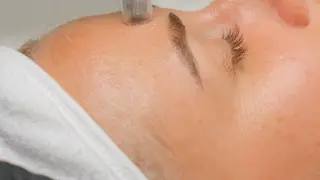
A Korean skincare treatment made from donated human skin is gaining popularity and is expected to generate $75 million in South Korean sales this year. Business Insider traced the supply chain from US donors to clinics in Seoul. The report examines how the tissue is processed and where money is made along the way.
The treatment at the center of the report uses skin supplied by deceased U.S. donors. It has become a popular option in South Korea’s skincare market, with projected domestic sales of $75 million this year.
Business Insider followed the route from American donation to South Korean clinics, including an example that begins in San Antonio and ends in Seoul. Its reporting also looks at how the tissue is handled and at the revenue earned at different stages of that chain.
The growing demand could affect patients seeking anti-aging treatments, donor families, tissue processors, and clinics in both countries. It may raise questions about consent, oversight, and cross-border tissue handling, while creating revenue for intermediaries and providers. Public trust in donation systems and beauty-industry regulation could be shaped by how transparently the supply chain is explained.