Starbucks China Requires Purchases for Seating as It Upgrades Cafés
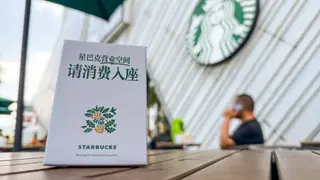
Starbucks China now asks customers to make a purchase before using café seating across roughly 8,000 mainland locations, with exceptions for some vulnerable groups. The chain plans to spend more than 300 million yuan, about $44.9 million, on staffing and store improvements. The policy follows intensifying competition from Luckin Coffee and Starbucks’ sale of a 60% stake in its China business to Boyu Capital.
Starbucks’ mainland China seating rule spans about 8,000 cafés and includes priority assistance for pregnant customers and those with mobility challenges. The company also plans to spend more than 300 million yuan, or roughly $44.9 million, on store upgrades and extra peak-hour staff.
The policy arrives amid pressure from Luckin Coffee, which overtook Starbucks’ Chinese store count in 2022 and later became the first coffee chain there to reach 10,000 outlets. Starbucks’ China revenue fell from $3.6 billion in fiscal 2021 to $3.2 billion in fiscal 2025; it sold a 60% China stake to Boyu Capital, with the deal closing in April 2026.
The purchase-for-seating rule may reshape how urban customers use cafés as informal workspaces or study spots, affecting students, remote workers, and budget-conscious visitors who previously stayed without ordering. It could also push some toward cheaper competitors or public spaces. For Starbucks, the policy may improve seat turnover and paying-customer comfort, though it could alienate people who see cafés as open community spaces.