NASA Fires RS-25 Engine in Full-Duration SLS Test
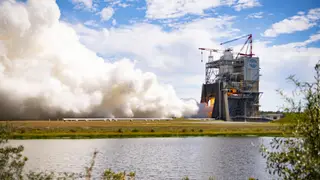
NASA conducted a hot fire test of RS-25 engine No. 10001 at Stennis Space Center on Oct. 21, 2026, running it for nearly 500 seconds at 111% power. That burn length matches the engine's operation during an SLS launch, when four RS-25s generate up to 2 million pounds of thrust for Artemis missions. The developmental engine will not fly, but the test gives NASA and L3Harris data for improving performance and reliability.
At NASA’s Stennis Space Center in Mississippi, engineers ran RS-25 engine No. 10001 on Oct. 21, 2026, for roughly 500 seconds—about eight and a half minutes—at 111% power. That duration mirrors the burn four RS-25s experience during an SLS launch, where they can supply as much as 2 million pounds of combined thrust for Artemis flights.
The test engine is developmental and will not fly. Still, NASA and contractor L3Harris Technologies can use the run’s measurements to refine engine operation and dependability. Before any RS-25 is cleared for use, NASA verifies flightworthiness through testing at Stennis.
The test may matter most to people who depend on Artemis progress: engineers, suppliers, and future crews, plus communities tied to Stennis testing. Better data could improve confidence in engine reliability, potentially reducing risk in later SLS missions. Because the engine is developmental, near-term public effects are likely indirect—supporting workforce skills and test infrastructure—while any broader benefits would depend on how Artemis schedules and costs evolve.