Getting a Garden Ready for Frost and Snow
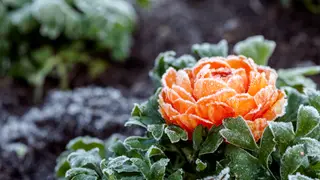
Gardeners can prepare outdoor plants for cold weather by mulching heavily and using materials such as burlap and straw. Experts recommend first walking the garden to identify annuals, perennials, tired soil, and areas that may need cover crops. This preparation helps protect roots and soil while setting up healthier growth for spring.
Before winter work begins, gardeners should survey the plot to distinguish annuals from perennials, note compacted or exhausted soil, and decide where a cover crop might help. This prevents unnecessary labor and overlooked trouble spots.
Preparation then involves clearing diseased or spent foliage, caring for plants that will stay, and covering soil. Compost feeds the ground, mulch insulates it, and shredded leaves can serve as mulch; straw is generally better suited to vegetable plots than flowerbeds. Raised beds should be cleared of annual and vegetable debris, with diseased material discarded rather than composted.
This guidance may help households and community gardeners reduce plant loss and soil damage, potentially lowering replacement costs and spring cleanup burdens. Landscaping and garden-supply businesses could see seasonal demand for mulch, burlap, straw, and tools. For people who rely on home-grown food, better winter protection may support more reliable yields, though results depend on local climate, plant choices, and consistent follow-through.