Algorithms Now Drive Smartphone Photo Quality
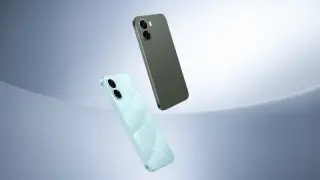
Modern phone cameras rely heavily on machine-learning processing rather than only lenses and sensors. The device combines several exposures and applies scene recognition, noise reduction, and portrait effects to produce the final image. Future systems may shift further toward generating or simulating visual content.
Modern phone cameras compensate for limited optics by rapidly capturing several frames and merging them. Machine-learning routines align these exposures, average out noise, combine bright and dark areas, and sharpen detail. This approach helps small devices handle low light and high contrast.
The software also recognizes scenes and supports night modes, portrait effects, and editing tools. Industry examples such as HDR+ and Night Sight showed how processing can offset hardware limits. Future systems may go beyond improving captures and begin generating or simulating visual content.
This shift could affect everyday phone users, photographers, and app developers by making advanced imaging more accessible while further blurring distinctions between capture and computation. Consumers may gain convenience and improved low-light results, but may also rely on opaque processing choices. Professional photographers could face changing expectations about authenticity, while software makers gain influence over visual output. Broader society may need clearer understanding of when an image is enhanced, generated, or simulated.