What purpose did Peru's Nazca geoglyphs serve?
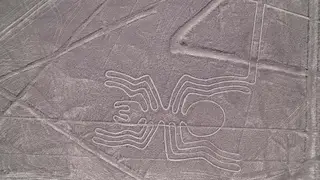
The Nazca Lines are extensive designs etched into Peru's terrain and hillsides roughly two millennia ago. The article explores the reasons ancient people created these large-scale markings.
This story belongs to the wider archaeological question of why ancient communities created large-scale markings in the landscape. The Nazca Lines are described as markings made across Peruvian ground and hillsides around two thousand years ago, and the article considers what purposes they may have served. With only that outline available, the focus stays on the broad puzzle of intention and context rather than on specific claims about how the lines were used.
Coverage of this question could shape how general readers understand ancient Peruvian cultures and may draw renewed attention to archaeological heritage. Researchers and educators may benefit if clearer public interest supports science communication, while communities and tourism stakeholders near such sites could see changed visitor attention. Any effects would depend on how carefully the story presents uncertainty and context.