Seventeenth-Century Scholars Put Apparitions Under Scrutiny
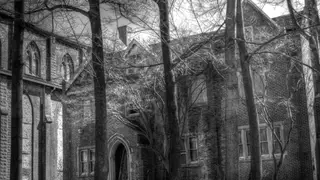
In the late 1600s, fellows of England’s Royal Society debated whether ghosts and witches existed and how such claims could be tested. Joseph Glanvill collected detailed accounts to argue for the supernatural, while John Aubrey included a Wiltshire haunting in his county natural history and regarded Glanvill as too trusting. The article places these investigations in the context of early modern science and Halloween folklore.
The Royal Society, established in 1660, was England’s leading scientific body. Joseph Glanvill, one of its fellows, gathered accounts of spirits and witches in a 1681 work, treating disbelief as a challenge to divine existence. John Aubrey, another fellow, included a Wiltshire apparition report in his county natural-history survey, begun in 1656 and later copied for the Society’s library in 1691.
Aubrey considered Glanvill too credulous yet still thought supernatural reports warranted study. He noted frauds, including a woman who claimed bewitchment and submitted to pin injuries, and judged that most such tales were false while allowing some might be genuine.
This account could shape how general readers, educators, and science communicators view the relationship between evidence and extraordinary claims. By showing early investigators weighing testimony, fraud, and credibility, it may encourage more careful public discussion of hauntings and folklore. Historians and museum audiences may also find it useful for understanding how modern scientific norms developed, though the story’s impact is likely modest and interpretive rather than immediate.