Stress May Reactivate Arthritis Through Fat-Linked Joint Memory
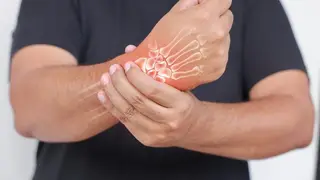
Mouse studies indicate that rheumatoid arthritis can leave a lasting trace in joints, which psychological stress may trigger to cause renewed inflammation. The process appears to involve the body’s heat-generating fat, offering a possible explanation for flares after remission.
Research in mice suggests that joint inflammation from rheumatoid arthritis can leave a persistent mark in affected tissue. Later exposure to psychological stress appears able to awaken that trace, leading to renewed inflammation. The findings point to heat-generating fat as part of the mechanism linking stress and joint flare-ups. This remains early animal evidence, so it cannot yet be assumed to apply to people; it does, however, offer a possible pathway for explaining why symptoms can return after a quiet period.
If confirmed in humans, this work could matter most to people living with rheumatoid arthritis, especially those who experience remission and then worry about symptom return. It may help clinicians and patients think about stress and fat-related factors together when discussing flare risk. Because the evidence comes from mice, any societal impact would depend on further research; for now, it may mainly shape how patients and researchers frame questions about stress, fat, and joint health.