Small Lifestyle Shifts Can Yield Major Health and Economic Benefits, ACSM Finds
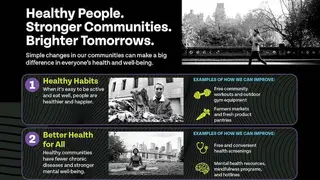
A new infographic from the American College of Sports Medicine highlights how modest increases in physical activity can significantly reduce healthcare costs and improve workforce productivity. The data underscores that even minor behavioral changes—like walking more or taking active breaks—can lead to substantial public health gains. These findings are part of the broader American Fitness Index initiative, which tracks community-level fitness trends.
The American College of Sports Medicine (ACSM) has released a new infographic highlighting that small, incremental increases in physical activity—such as walking more or taking active breaks—can lead to significant reductions in healthcare costs and improvements in workforce productivity. This finding is part of the broader American Fitness Index initiative, which tracks community-level fitness trends across U.S. cities and regions. While specific figures on cost savings or productivity gains are not detailed in the provided text, the emphasis is on modest behavioral changes yielding substantial public health outcomes. The data underscores a shift toward preventive health strategies, aligning with long-standing ACSM advocacy for exercise as medicine. This initiative builds upon prior efforts like the Exercise is Medicine (EIM) program, which has promoted integrating physical activity into clinical care since its inception. The EIM framework, now supported by a growing network of healthcare systems and professionals, aims to make physical activity a standard part of patient care. Organizations involved include ACSM, its partner institutions such as the Beijing Institute of Sports Medicine, and various professional certification bodies. Their shared goal is to normalize physical activity in both clinical and community settings. What remains unresolved is how these findings will be operationalized at scale—specifically, whether public health policies or employer wellness program
This report could influence workplace wellness programs and public health policy by reinforcing the value of low-barrier physical activity interventions. Employers may use the findings to justify investments in active work environments, such as standing desks or walking meetings, potentially improving employee retention and reducing absenteeism. Healthcare systems might expand Exercise is Medicine initiatives, embedding physical activity prescriptions into routine care—similar to how smoking cessation programs were institutionalized decades ago. The broader impact may ripple through insurance markets, where preventive measures could lower long-term claims costs. A comparable precedent is the CDC’s “Let’s Move!” campaign, which sought to combat childhood obesity through community-wide behavioral change. However, unlike that effort, this ACSM initiative leverages data-driven rankings and professional certification networks, potentially offering a more sustainable model. What to watch for