High out-of-pocket expenses deter patients from scheduling essential medical procedures
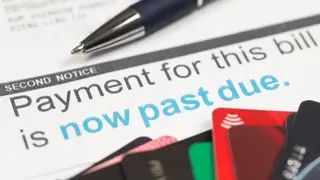
A series of online experiments revealed that patients are significantly less likely to schedule recommended medical procedures when they must pay out of pocket. The financial burden also increases anticipated pain and anxiety, influencing healthcare decisions even when treatment is medically advised.
A series of online experiments demonstrated that patients are markedly less inclined to schedule medically recommended procedures when they must pay out of pocket, highlighting a critical barrier in healthcare access. The findings underscore how financial responsibility directly influences patient behavior, even when treatment is clinically advised. Participants in the studies reported heightened anticipation of pain and anxiety when faced with direct costs, suggesting that economic pressure amplifies psychological distress associated with medical care. While the experiments did not specify exact procedures, locations, or timeframes, they consistently revealed a strong correlation between cost exposure and decision avoidance.
The results reflect broader systemic challenges within healthcare systems where rising patient financial burdens have become increasingly common. This trend may stem from policies that shift costs to individuals through high-deductible plans, co-pays, and limited insurance coverage—decisions that have been implemented in recent years to control overall spending but may inadvertently reduce preventive care utilization. The experiments build on prior research indicating that cost-related barriers deter patients from seeking timely treatment, though this study uniquely isolates the psychological impact of out-of-pocket payments.
No specific organizations or individuals are named in the material, but the findings likely concern healthcare providers, insure
The findings suggest that financial anxiety may be a hidden driver of delayed care, potentially exacerbating health disparities and increasing long-term treatment costs. Patients facing high out-of-pocket expenses may avoid essential procedures not due to lack of need, but because the perceived burden outweighs immediate benefits—especially when pain and stress are amplified by cost. This could disproportionately affect vulnerable populations, including low-income individuals and those with chronic conditions, who may already navigate complex healthcare decisions under strain. The ripple effects might include higher rates of preventable hospitalizations, worsening outcomes for treatable conditions, and increased pressure on emergency services. A comparable case is the rise in medical debt in the U.S., which has been linked to delayed care and worsened health outcomes since the early 2010s. The current findings could signal a deeper structural issue: that even well-intentioned cost-sha