Satellite imaging uncovers hidden 2,600-year-old Egyptian site beneath Nile silt
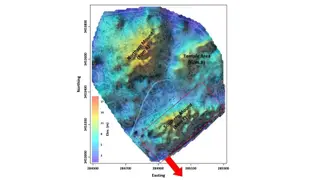
Advanced satellite radar and underground electrical scanning have revealed a previously unknown ancient complex in Buto, one of Egypt’s most sacred cities. The discovery, made beneath layers of Nile mud, includes structural remains and unexpected subterranean features. Researchers believe the site may hold significant religious or administrative importance from the Late Period of ancient Egypt.
Advanced satellite radar and underground electrical scanning have revealed a previously unknown ancient complex in Buto, an ancient city long recognized as one of Egypt’s most sacred sites. Located beneath layers of Nile silt, the discovery includes structural remains and unexpected subterranean features dating back approximately 2,600 years to Egypt’s Late Period. Though the site’s full extent remains unclear, researchers believe it may have served significant religious or administrative functions during a time of cultural transition in ancient Egypt. The use of non-invasive remote sensing technologies marks a pivotal shift in archaeological methodology, allowing for large-scale exploration without disturbing fragile sites.
The significance of Buto as a historically sacred city provides context for the discovery’s potential importance. Known as a center of worship dedicated to the goddess Bastet and a key political hub during the Late Period, Buto’s historical prominence makes it a likely candidate for such an unearthing. Prior archaeological work in the region has focused on surface remains and known temple ruins, but this new find suggests that substantial buried infrastructure may have been overlooked due to sediment accumulation from centuries of Nile flooding. The integration of satellite imaging with ground-penetrating radar represents a growing trend in archaeology, enabling researchers to detect subsurface anomalies without excavation.
While the specific instit
This discovery could deepen public engagement with Egypt’s ancient past, particularly through digital platforms where satellite imagery and 3D reconstructions may be shared widely. The use of non-invasive technology may also influence how archaeological funding is allocated, potentially favoring projects that minimize physical disruption to sites. Museums and heritage organizations may leverage the find to boost tourism interest in lesser-known regions like Buto, though long-term impacts depend on whether the site is deemed accessible or preserved in situ. A comparable precedent is the 2015 discovery of a buried city near Saqqara using similar remote sensing methods, which sparked global media attention and renewed debate over digital archaeology’s role in heritage protection. This latest find may follow a similar trajectory—raising awareness while prompting questions about who controls access to data and how findings are interpreted. The next phase could see increased collaboration