Older Americans Fear Skyrocketing Medical Bills Amid Medicare Enrollment Shifts
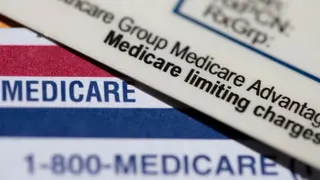
As Medicare open enrollment begins, many older adults are anxious about rising healthcare costs and changes to their coverage, including higher out-of-pocket limits and reduced plan availability. Financial strain is acute for retirees like Barbara Weigand, who withdrew from her retirement savings to cover cancer treatment and surgery. These concerns are shaping voter priorities ahead of the midterms, with healthcare affordability emerging as a top issue.
As Medicare open enrollment began in mid-October 2026, older Americans like Barbara Weigand, an 83-year-old from North Canton, Ohio, faced mounting anxiety over rising healthcare costs and shifting coverage options. Weigand, who had saved diligently for retirement, recently withdrew $4,000 from her retirement account to cover cancer treatment and surgery—expenses that exceed her monthly income. Her situation reflects broader trends: the 2027 Medicare changes include higher Part D out-of-pocket caps, the end of temporary federal premium subsidies, and reduced plan availability in some states due to insurer withdrawals or enrollment caps. These shifts come amid a backdrop of escalating healthcare spending, with prescription drug costs remaining a major burden; a KFF survey found that 40% of U.S. adults skipped doses or cut pills in half due to cost, and Weigand herself is considering rationing her medication. The AARP report highlights that family caregivers now spend an average of $11,508 annually—up from $7,242 in 2021—on out-of-pocket care, underscoring the financial strain on informal support networks. Meanwhile, Social Security’s projected insolvency by 2034 looms as a critical unresolved issue, despite a 3.6% cost-of-living increase for beneficiaries effective 2027. The situation is shaped by prior policy decisions, including the Trump administration’s most-favored-nation drug pricing initiatives and the rollout of TrumpRx, though these have not yet fully alleviated affor
The growing anxiety among older Americans about healthcare affordability could significantly influence voter behavior in the upcoming midterms, particularly among the 83% of voters over 50 who report being highly motivated to vote. As Medicare and Social Security become central campaign issues, candidates may prioritize policies that address prescription drug pricing, long-term care support, and program solvency—potentially reshaping political platforms nationwide. The ripple effects could extend beyond seniors to younger caregivers, insurers, and pharmaceutical firms, as increased demand for affordable care may pressure private markets and public programs alike. A comparable earlier case is the 2010 Affordable Care Act debates, where healthcare costs and access became defining issues that altered federal policy and political dynamics. Today’s situation may follow a similar trajectory, with long-term implications for fiscal policy and intergenerational equity. What to watch for next in