Molecular analysis confirms aloe's role in ancient Egyptian mummification for the first time
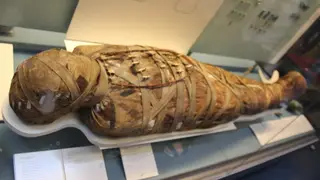
Scientists at Marburg University identified aloe compounds in embalming materials from a 2,700-year-old Egyptian mummy, providing the first direct molecular evidence of its use in preservation. The study combined chemistry, Egyptology, and pharmaceutical history to analyze artifacts from museum collections. This finding revises previous assumptions about the ingredients used in ancient embalming practices.
Scientists at Marburg University have uncovered direct molecular evidence that aloe was used in ancient Egyptian mummification, marking the first time such a claim has been confirmed through chemical analysis. The discovery stems from the examination of embalming materials extracted from a 2,700-year-old mummy, with researchers identifying specific aloe compounds in preserved substances. This finding is significant because prior assumptions about the ingredients used in Egyptian embalming were largely based on textual sources and indirect evidence, leaving room for uncertainty. The study represents a convergence of disciplines—chemistry, Egyptology, and pharmaceutical history—leveraging museum collections to analyze historical artifacts without invasive procedures.
The research builds upon longstanding scholarly debate over the composition of ancient embalming agents, where aloe’s role had been suspected but never definitively proven. Earlier reports and interpretations often cited aloe as a possible ingredient due to its known antimicrobial properties and mention in ancient texts, but lacked empirical validation. Marburg University’s team sought to resolve this ambiguity by applying modern analytical techniques to physical samples from museum holdings. The work reflects a growing trend in archaeology toward integrating molecular science with traditional historical inquiry to test long-held hypotheses.
The researchers at Marburg University are advancing the understandin
This discovery could influence how museums present ancient Egyptian artifacts, potentially prompting updates to exhibit labels and educational materials to reflect new scientific insights into embalming practices. It may also affect the field of forensic archaeology by demonstrating the value of molecular analysis in validating historical claims. Comparable to the 2018 study that used DNA analysis to trace the origins of mummified remains, this work underscores how modern science can revise long-standing assumptions about ancient civilizations. The findings may inspire similar interdisciplinary research on other preserved organic materials, such as medicinal compounds or textiles. Institutions like museums and academic departments specializing in ancient history or material science could see increased interest and funding for analytical projects. However, the impact on commercial markets—such as replica mummy products or historical tourism—is likely minimal unless tied to broader pu